Introduction
Choosing the right welding positioner is a critical decision when designing or upgrading a robotic welding cell. Among the most common options, 1-axis positioners and 3-axis positioners serve very different production needs. Understanding their structural differences, motion capabilities, and application scenarios helps manufacturers build efficient, stable, and scalable welding automation systems.
What Is a 1-Axis Welding Positioner?
A 1-axis welding positioner provides rotation around a single horizontal or vertical axis. It is primarily used to rotate the workpiece to a suitable welding angle while keeping the structure simple and cost-effective.
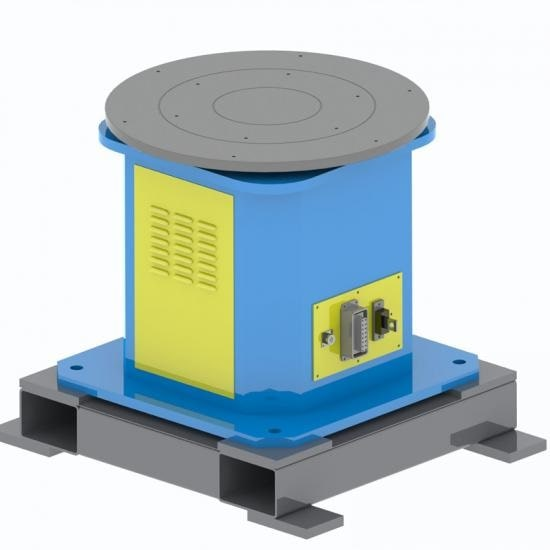
Key characteristics of 1-axis positioners:
- Single rotational movement
- Simple mechanical structure
- Lower cost and easier integration
- Suitable for small to medium-sized workpieces
1-axis positioners are commonly used in applications where the welding seam is relatively simple and does not require frequent repositioning or complex orientation changes.
What Is a 3-Axis Welding Positioner?
A 3-axis welding positioner typically combines rotation, tilting, and lifting or secondary rotation functions. This allows the workpiece to be positioned at virtually any optimal welding angle.
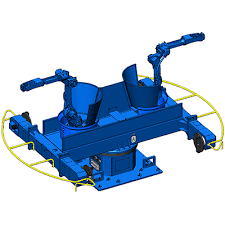
Key characteristics of 3-axis positioners:
- Higher positioning flexibility
- Improved access to complex weld seams
- Designed for large or complex components
3-axis positioners are widely used in heavy fabrication, structural welding, and robotic welding cells that require high flexibility and precise orientation control.
Key Differences Between 1-Axis and 3-Axis Positioners
Motion Capability
1-axis positioners offer basic rotation.
3-axis positioners provide combined rotation, tilt, and elevation or secondary rotation.
Application Complexity
1-axis positioners are ideal for repetitive, straightforward welding tasks.
3-axis positioners handle complex geometries and multi-sided welding more efficiently.
Automation Integration
1-axis systems are easier to integrate and program.
3-axis systems require more advanced control but offer greater automation potential.
Which Welding Cell Should Choose a 1-Axis Positioner?
A 1-axis positioner is a practical choice if:
- Workpieces are relatively simple
- Welding paths are repetitive
- Budget and floor space are limited
- High flexibility is not a primary requirement

When Does a 3-Axis Positioner Make More Sense?
A 3-axis positioner is recommended if:
- Workpieces are large, heavy, or geometrically complex
- Multiple weld seams require different orientations
- High weld quality and accessibility are critical
- The welding cell is designed for long-term scalability
Conclusion
Both 1-axis and 3-axis welding positioners play important roles in robotic welding automation. The right choice depends on workpiece complexity, production volume, welding quality requirements, and future expansion plans. By selecting the appropriate positioner configuration, manufacturers can improve welding efficiency, consistency, and overall system performance.
Contact us to discuss the best welding positioner solution for your application.
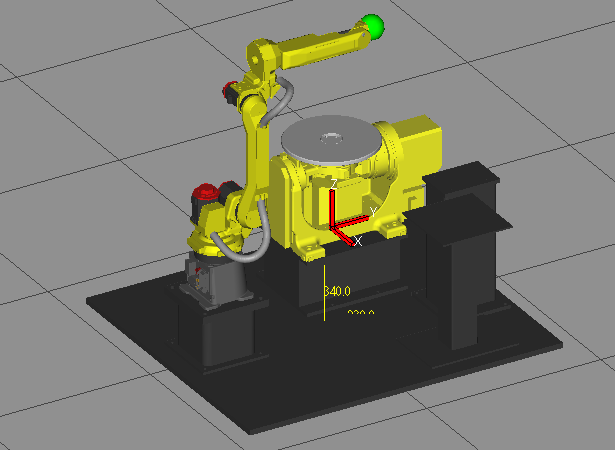 How Robotic Welding Positioners Improve Weld Penetration and Consistency
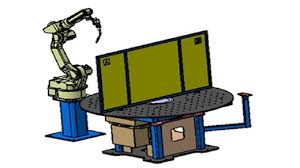 1-Axis vs. 3-Axis Positioners: Which One Does Your Welding Cell Need?
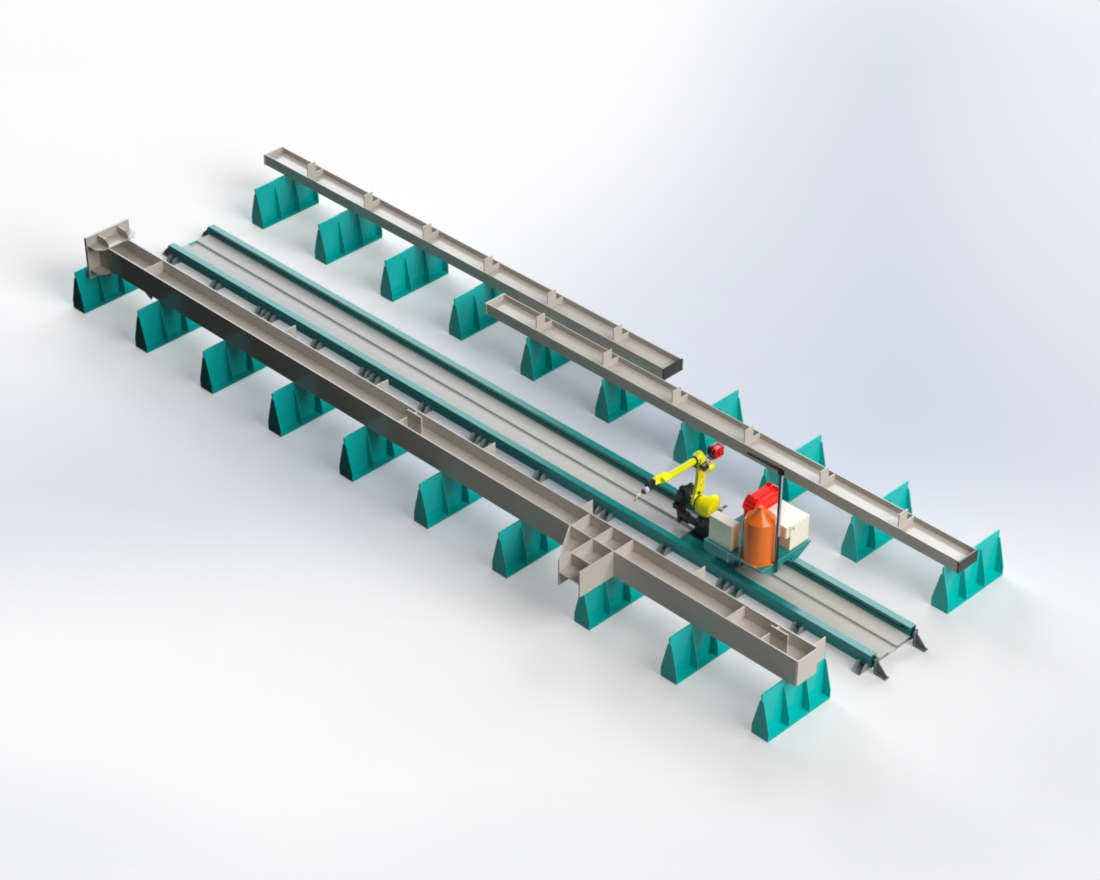 Extending the Work Envelope: How Linear Tracks Boost Productivity in Large-Scale Fabrication
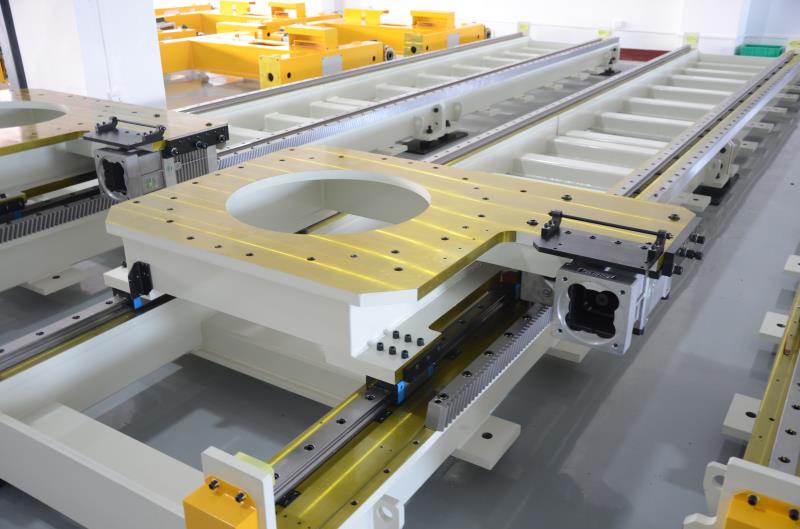 Precision at Scale: A Guide to Long-Stroke Robot Linear Tracks
